Considering custom gates? Lowestoft property owners can avoid many late changes by deciding the purpose, opening, level, and finish before requesting a quote. A gate is a moving part of the boundary, so it must work with the posts or walls beside it, the route through it, and the people or equipment that use it.
GC Building and Landscaping lists custom gates built and fitted, along with fencing, landscaping, general building work, and clearances. The stated service area covers Lowestoft and a 30-mile radius. This guide focuses on the information that helps turn an idea for a new gate into a clear site discussion.
Define what the gate needs to do
Begin with purpose. A pedestrian gate may need to improve privacy, keep a side passage secure, contain a pet, or create a neater entrance. A wider opening may need to suit bins, bikes, garden machinery, deliveries, or vehicle access. These uses affect the clear width, height, hardware, and direction of opening.
List who will operate the gate and how often. Think about children, visitors, delivery drivers, and anybody who may find a heavy gate difficult. If access needs to work from both sides, say so. If the gate must stay locked, identify whether you prefer a key, latch, coded solution, or another arrangement and ask what is suitable for the setting.
Privacy and visibility also need a deliberate choice. A solid gate can screen a space, while an open design preserves sight lines and light. The surrounding fence or wall should guide the decision, but the gate still needs enough clearance to move freely.
Measure the opening and record the surroundings
Early measurements help with the first conversation, although final fabrication and fitting dimensions should be confirmed on site. Measure the opening at the top, middle, and bottom, then note any difference. Record the height of adjacent walls, fence panels, posts, and ground on both sides.
Take photographs square-on from each side and wider views showing the route to the gate. Include the hinge side, latch side, corners, steps, drains, downpipes, cables, and anything that restricts movement. For a driveway or delivery entrance, show the approach as well as the opening.
Your gate brief should record:
- The intended use and required clear opening.
- The preferred height, privacy level, and general appearance.
- Whether the gate should open inward or outward.
- The wall, fence, or posts currently forming the boundary.
- Ground levels, slopes, thresholds, and nearby drainage.
- Latch, lock, handle, stop, and closing preferences.
- Any existing gate or material that needs removal.
- Access for fitting, tools, and disposal.
Do not treat a sloping path as a small detail. The lowest corner of a gate needs enough clearance across its movement, and the finished gap may look different on each side. A site assessment can determine whether the layout, hinge position, or ground treatment needs to change.
Decide how the gate meets the boundary
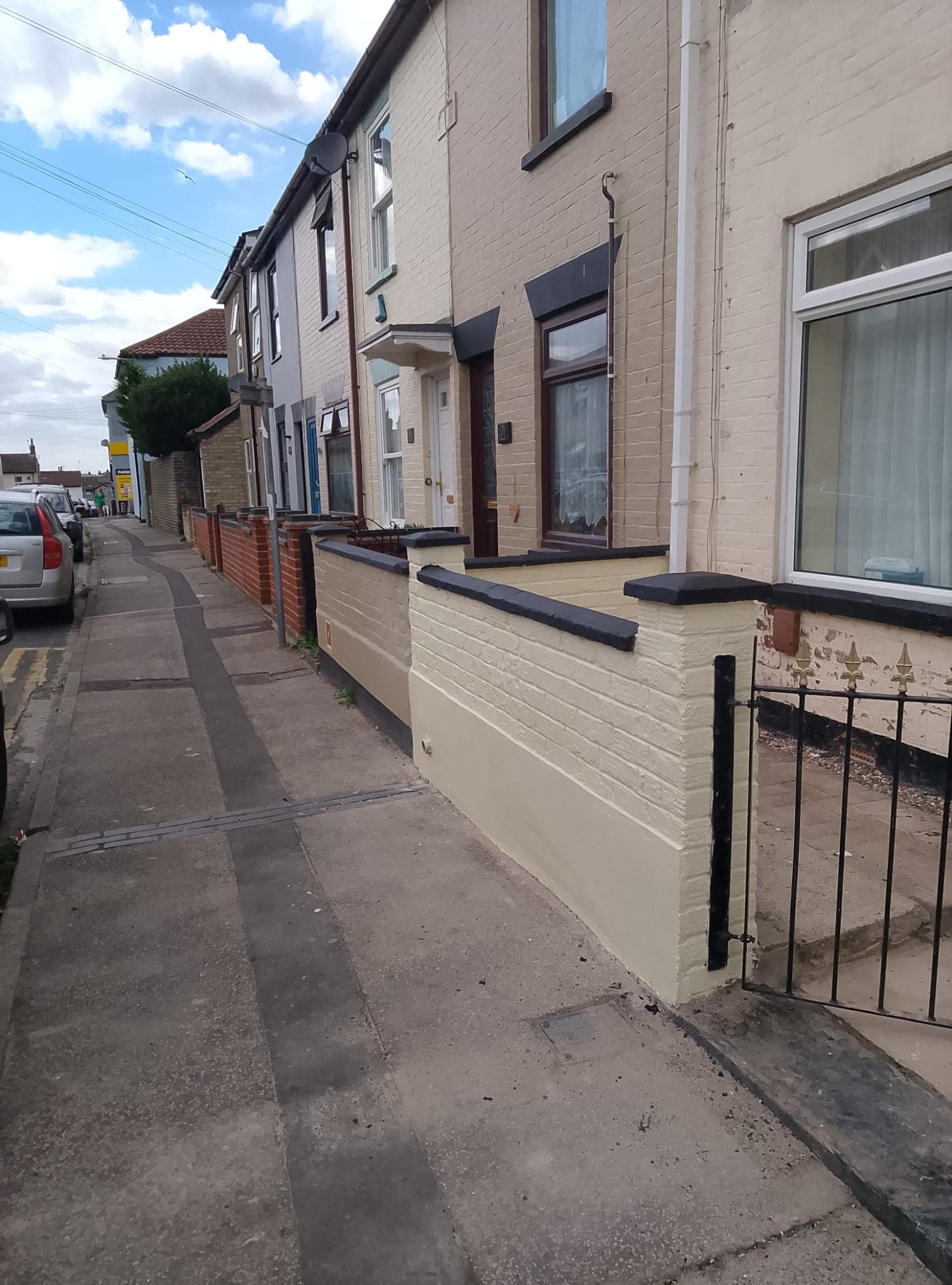
A gate depends on what supports it. Existing posts, brickwork, walls, or fence ends may need inspection before they are assumed to be suitable. Movement, cracking, rot, leaning, or an awkward fixing position can change the work required. Ask the contractor to state whether new posts, repairs, or making good are included.
GC Building and Landscaping provides both fencing and general building work, so describe the whole boundary problem rather than presenting the gate in isolation. If fence panels need replacing or a wall opening needs attention, identify those as separate items in the same brief. The quote can then explain how the parts connect.
Clearances and landscaping may also affect the entrance. Overgrown planting, stored items, uneven ground, or a narrow side path can restrict access. If these need attention, agree what will be cleared, retained, protected, or reinstated after fitting.
Choose a finish with maintenance in mind
Bring examples of gates you like, but explain which feature matters: shape, openness, colour, material, or hardware. A photograph may show a design that suits a different width or boundary, so use it as a preference rather than an exact specification until the site has been assessed.
Ask how the chosen material should be maintained and how exposed cut edges, joints, fixings, or surfaces will be finished. Confirm the colour and sheen rather than using a broad description such as “dark” or “natural.” If the gate needs to match existing fencing, doors, railings, or painted walls, take close photographs in daylight.
Hardware belongs in the finish discussion as well. Hinges, latches, locks, handles, bolts, stops, and closers affect both appearance and use. List them in the quote so the finished gate is assessed as a working entrance rather than only a panel in an opening.
Keep unrelated property jobs separately itemised
A new gate may be one part of a wider garden or renovation project. Include connected fencing, landscaping, clearance, or building work in the overall conversation, then ask for each element to be itemised. This keeps the gate specification clear and makes it easier to change one part without losing sight of the rest.
The same rule applies to work elsewhere at the property. GC Building and Landscaping lists small plumbing jobs but excludes gas work. If you are asking about those at the same visit, record them as a separate scope and flag the no-gas boundary. A gate quote should not quietly absorb unrelated assumptions about internal work.
Before accepting a price, confirm removal, materials, fabrication, fitting, hardware, finish, making good, waste, and any work to the surrounding fence or wall. Ask how changes will be agreed if the existing support proves unsuitable after closer inspection.
Questions customers ask
Can I measure for a custom gate myself?
You can take approximate measurements to start the conversation. Measure the opening in several places and photograph both sides, levels, and supports. The contractor should confirm final fabrication and fitting dimensions after assessing the exact site.
Should a new gate be quoted with new fencing?
Yes, when they form one boundary or the existing fence affects support and alignment. GC Building and Landscaping offers fencing as well as custom gates built and fitted. Ask for the gate, posts, panels, hardware, removal, and making good to be listed clearly.
What information helps with a gate quotation?
Explain the purpose, users, clear opening, preferred privacy, style, lock or latch needs, opening direction, current supports, ground levels, and access. Photographs from both sides and a wider view of the boundary help the first assessment.
For custom gate work in Lowestoft or within the surrounding 30-mile service radius, send GC Building and Landscaping the approximate opening, photographs, intended use, and finish preferences. A precise starting brief makes the site visit more focused and the eventual quote easier to understand.