Looking for a landscaper? Lowestoft homeowners can make the first site visit more productive by deciding how the garden should be used before choosing individual materials. A patio, fence, gate, path, planting area, or clearance job each solves a different problem. Putting those needs into one brief helps the finished spaces connect instead of feeling like separate purchases.
GC Building and Landscaping provides landscaping, fencing, clearances, and custom gates built and fitted in Lowestoft and within a 30-mile radius. The business also carries out wider building and renovation work. This guide explains what to observe, measure, and discuss when planning a practical garden upgrade.
Plan the garden around everyday use
Start with the activities the garden needs to support. That might include outdoor seating, a clear route from the house, secure boundaries, space for children, easier maintenance, bin access, or room to move tools and materials. Mark the sunniest and shadiest areas at the times you normally use the garden, and note where the ground stays wet after rain.
Think about movement before drawing shapes. Walk from the back door to the gate, shed, bins, seating area, and any side access. A route that looks neat on paper may feel awkward if it is too narrow, crosses a dining space, or forces people over a lawn in wet weather. Existing steps, level changes, drains, and inspection covers should be shown on the brief.
Write down what must remain. Mature planting, a useful shed, a sound section of fence, or an established path may be worth designing around. Also identify what you are willing to remove. A clearance allowance can then be discussed against a defined list rather than an unknown garden.
Separate surfaces, boundaries, and access
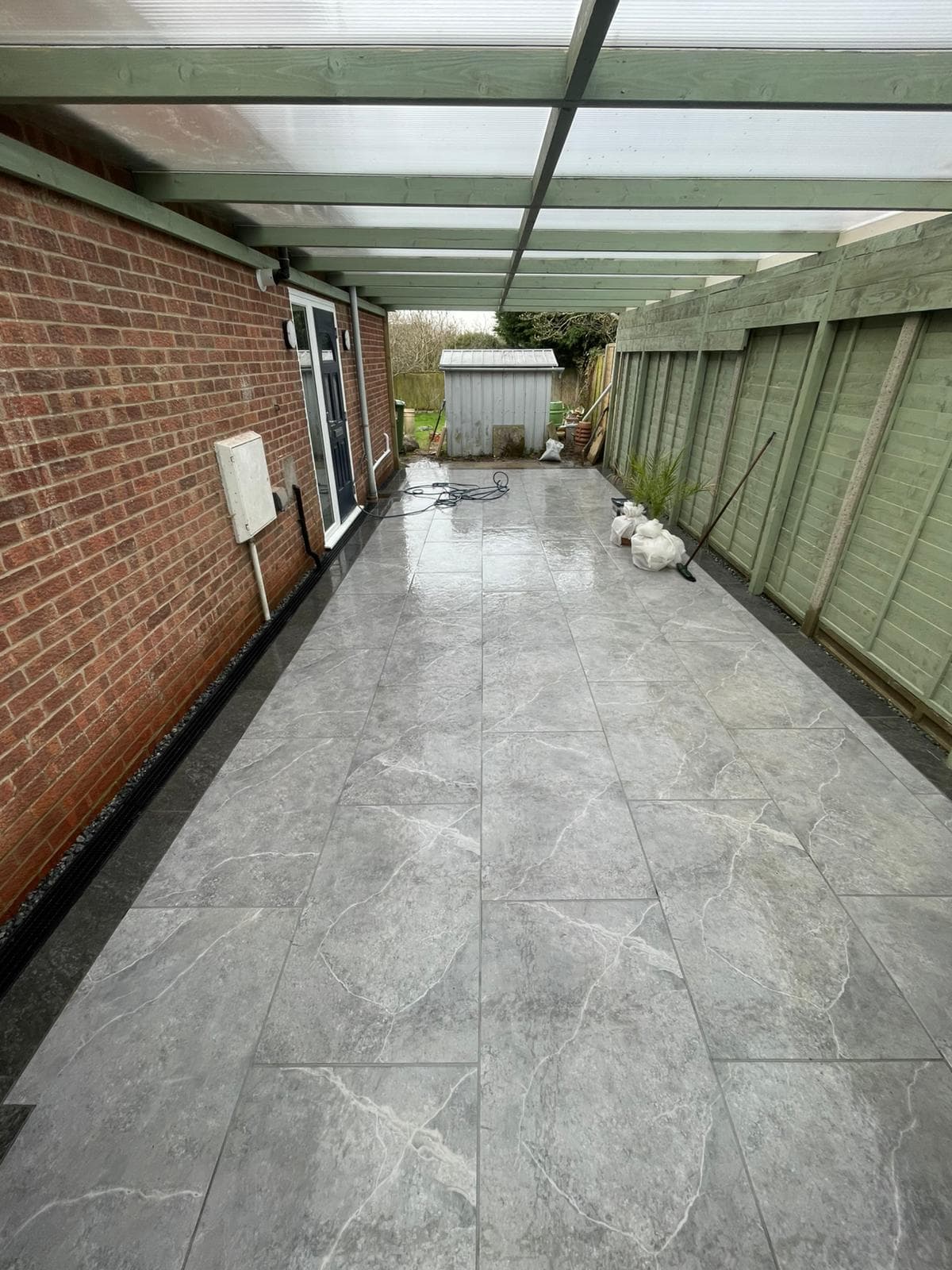
Divide the proposed work into zones. Hard surfaces can include patios, paths, steps, or practical standing areas. Boundaries include fencing and gates. Soft areas cover lawns and planting. Access covers how people, bins, equipment, and materials move between the street, house, and garden.
For each zone, describe the result you want and the current problem. A patio brief might prioritise enough space for a table, a safe step from the house, and a route that stays usable in winter. A fence brief might focus on a damaged run, privacy, or a boundary that needs a more secure entrance. Avoid relying on one phrase such as “tidy the garden,” because it leaves too many decisions unresolved.
GC Building and Landscaping lists both fencing and custom gates built and fitted. If a new gate is part of the scheme, treat it as part of the access plan: record the clear opening, direction of movement, nearby walls or posts, ground level, and any reason it needs to suit bins, bikes, or equipment.
Record site conditions before choosing materials
Take photographs from the house, the far boundary, and each access point. Measure the broad length and width of the work area, then note narrow passages, steps, low branches, and overhead restrictions. Exact construction measurements belong to the contractor, but an early record helps identify questions before the visit.
Your site notes should include:
- Approximate dimensions of patios, paths, fence runs, and gates.
- Existing levels, slopes, low points, and places where water gathers.
- Visible drains, covers, pipes, cables, taps, and external sockets.
- Side access width and any route through the house.
- Walls, trees, planting, sheds, or surfaces that must be protected.
- Items to remove and anything you plan to reuse.
- The finish, colour, and maintenance level you prefer.
Do not hide a known concern because you hope it will simplify the quote. A contractor needs to see difficult access, uncertain boundaries, damaged walls, or drainage questions to describe the work accurately. If the answer needs another specialist or further investigation, it is better to identify that before a programme is agreed.
Be clear about connected building and service work
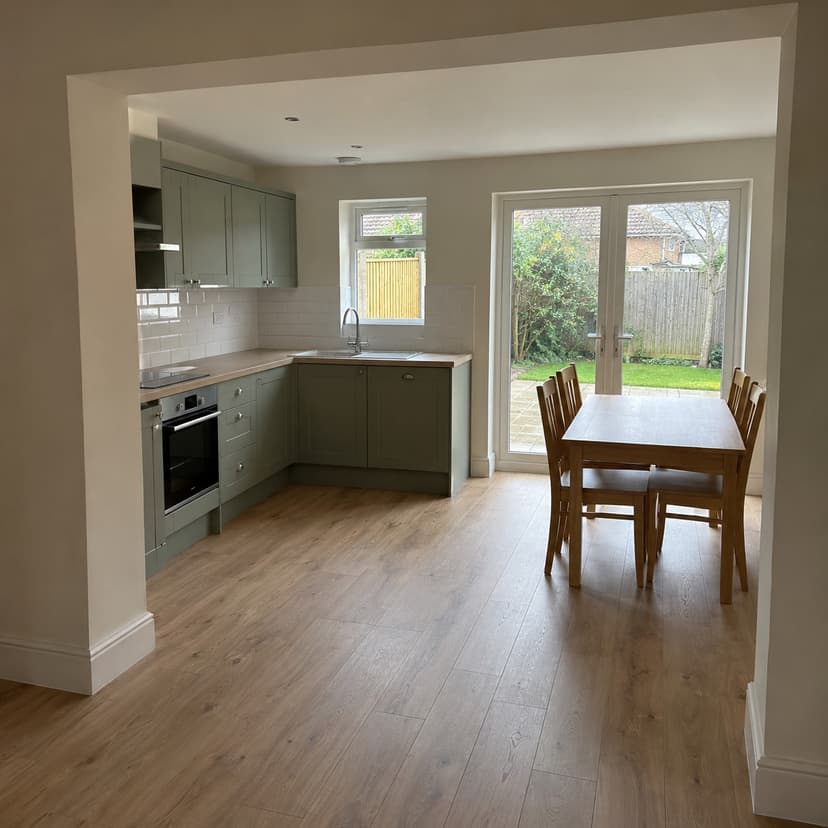
A garden project may meet the house at thresholds, steps, walls, pipework, or an extension. List those connections separately. GC Building and Landscaping provides general building work and extensions as well as landscaping, so a connected project can be raised at the same visit while keeping each element clearly scoped.
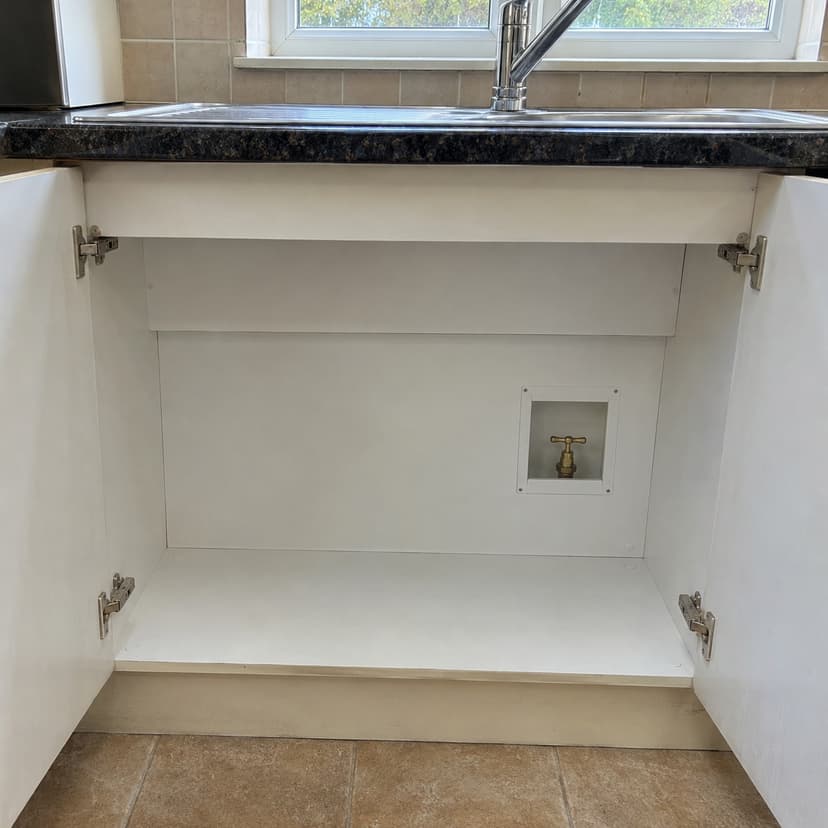
If the wider brief contains plumbing, explain the exact task. GC lists small plumbing jobs but excludes gas work. That boundary should stay visible even when the main project is outdoors. Do not assume that an outside pipe, appliance connection, heating item, or other service alteration is automatically part of landscaping; ask who is responsible and what qualification is required.
The same clarity helps with electrical needs. Lighting, powered equipment, or an external socket may affect the plan, but they should be identified before materials are fixed and routed to the appropriate person. The landscaping quote should state what preparation or coordination is included.
Compare landscaping quotes on the same basis
Ask each contractor to price the same areas, finishes, preparation, and removal. Check whether the quote covers excavation, base preparation, edging, drainage treatment, disposal, fencing materials, gate furniture, and final making good where relevant. If one option is provisional, ask what would change the price.
Material samples and photographs can clarify appearance, but also ask about practical differences such as cleaning, maintenance, and suitability for the intended use. Confirm the area or quantity allowed and who orders the material. A lower headline figure may simply omit preparation or disposal that another quote includes.
Discuss the order of work and access throughout the project. Heavy removal and deliveries may need to happen before new surfaces or gates restrict the route. If the home will remain occupied, agree how entrances will be kept safe and when parts of the garden will be unavailable.
Questions customers ask
What should I prepare before a landscaping visit?
Bring photographs, rough dimensions, a list of what must stay or go, and the main ways you want to use the garden. Mark access points, level changes, visible services, and wet areas. You can discuss materials later, but a clear purpose gives the visit a useful starting point.
Should fencing and a gate be quoted with the garden work?
Yes, if they form part of the same plan. GC Building and Landscaping offers fencing and custom gates built and fitted, so describe the full boundary and access requirement. Ask for the gate, posts, hardware, finish, removal, and making good to be itemised clearly.
Can a landscaping quote include clearance?
GC lists clearances among its services. Specify what needs removing, whether anything must be retained, and how access affects disposal. A defined clearance list gives the contractor a better basis for the quote than a general request to clear the site.
For a landscaping project in Lowestoft or within the stated 30-mile service radius, send GC Building and Landscaping the garden priorities, access notes, approximate measurements, and photographs. A clear brief lets the first conversation focus on a workable layout and an understandable scope.